

Having an active misdemeanor warrant can limit your ability to travel safely. While it may not always prevent you from boarding a plane or crossing state lines, the risk of being arrested is high. Warrants are entered into national databases…

You can remove yourself from a bond by filing a request to be released as a surety, also known as “surrendering the bond.” This applies if you co-signed someone’s bail bond or guaranteed their release. Once approved by the court,…

When a case goes federal, it means the alleged crime violates federal law and will be prosecuted in a United States District Court rather than a state court. Federal cases are generally more serious, involve larger investigations, and carry stricter…

When issuing a bond, a judge considers several key factors to decide if the defendant should be released and what bond amount is appropriate. The goal is to ensure the defendant appears for future court hearings while maintaining public safety.…

If you miss your court date for a misdemeanor in Kansas, the judge will almost always issue a bench warrant for your arrest. This means police can take you into custody at any time, including during a traffic stop. Missing…

A bond hearing determines if you can be released from jail before trial and how much money or conditions are required for that release. Preparing carefully can make a major difference in the judge’s decision. You’ll need to present evidence…
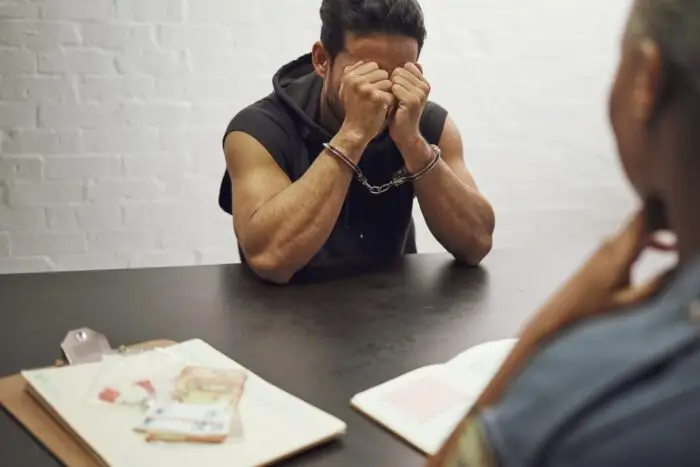
The best time to turn yourself in is during weekday mornings when courts, jails, and bail bond offices are open. Turning yourself in early allows your booking, bail, and court paperwork to be processed the same day, helping you avoid…

Turning yourself in shows responsibility and cooperation with the law. Many judges and law enforcement officers view this as a positive step, which can help your chances of getting a bond. You receive a bond that depends on the type…

The length of time someone can be held on a federal detainer depends on the nature of the charges, the cooperation between state and federal authorities, and how quickly the case moves through the system. A detainer is a formal…

Yes, it’s possible to get unsupervised probation for a felony, but it’s uncommon. Courts usually reserve unsupervised probation, also called “informal” or “non-reporting” probation, for defendants who pose little risk of reoffending. Most felony cases involve supervised probation, meaning regular…