

The minimum investment for federal bonds depends on the type of U.S. Treasury security you choose, but most investors can start with a small amount. Federal bonds are issued by the U.S. Department of the Treasury and are considered one…
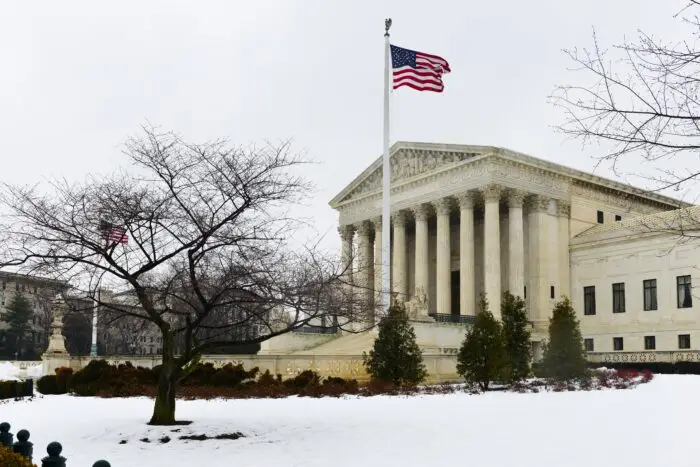
Getting bail in a federal case involves a more detailed process than in state court. Federal bail is not based on a fixed schedule. Instead, it depends on a hearing where the judge reviews the case, the defendant’s background, and…

Yes, federal inmates can receive bail, but it is not guaranteed. In the federal system, pretrial release is handled differently from many state systems. Instead of automatically setting a bail amount, the court holds a detention hearing to determine if…

In the context of federal sentencing, the phrase "85% of 5 years" often comes up when discussing how much time a person will actually serve in prison. This percentage is tied to federal law, specifically the Prison Litigation Reform Act…

Yes, you can have a federal bond, but the term can refer to two very different things depending on the context. In the criminal justice system, a federal bond is related to bail in a federal court case. In finance,…

Yes, you can get deported after being in jail, especially if you are not a U.S. citizen or lawful permanent resident. When someone is arrested and serves time for certain crimes, immigration authorities may start removal (deportation) proceedings. The outcome…

In the federal prison system, most inmates must serve about 85% of their sentence before becoming eligible for release. This rule comes from the Truth in Sentencing Act, which requires federal prisoners to serve the majority of their time behind…

The most common federal crimes in the United States are drug trafficking, immigration offenses, and fraud or financial crimes. These offenses make up the majority of cases heard in federal court because they often cross state or national borders or…

The main difference between federal and state charges is which government prosecutes the crime and under what laws. Federal charges are filed by the U.S. government for offenses that violate federal law or cross state lines, while state charges are…

In the federal court system, bonds work differently compared to state courts. While people arrested on federal charges can be released before trial, the process is more complex. The federal system does allow for release on bond, but it follows…