
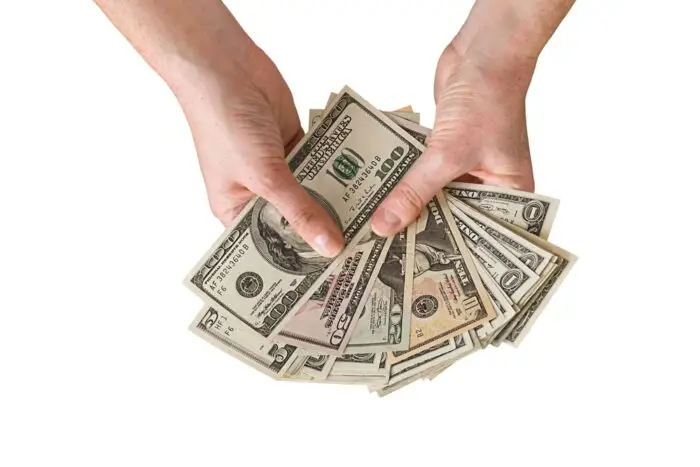
A $1,000 cash bond means the court requires you to pay the full $1,000 in cash to secure a defendant’s release from jail. Unlike a surety bond, where you pay a bondsman a percentage, this type of bond must be…
Who gets the money from a bond depends on how the bond was paid and whether the defendant followed the court's requirements. In most cases, the money goes to the court temporarily and is later returned to the person who…
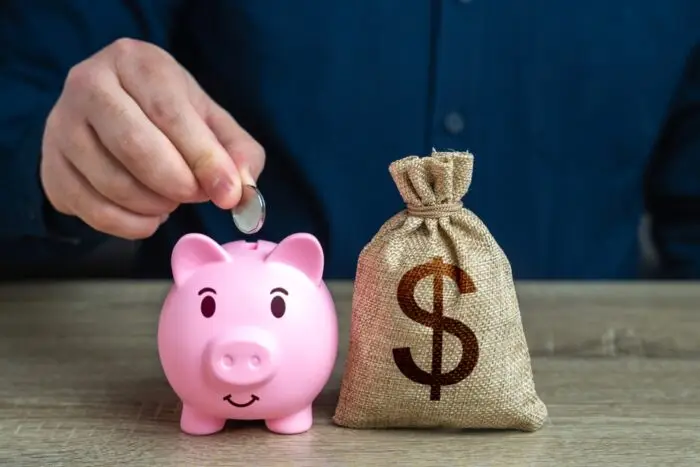
A $1,000 Treasury Bill (T-Bill) does not cost $1,000 upfront. Instead, it is sold at a discount, meaning you pay less than $1,000 when you buy it, and receive the full $1,000 when it matures. The difference between the purchase…

Ten percent of a $200,000 bond is $20,000. This is the standard fee that a bail bondsman would charge to post the full bond amount on behalf of a defendant. The 10% is known as the “premium” and is usually…

A $5,000 bond refers to the total bail amount set by the court. This amount represents what must be posted to secure a defendant's release from jail. If you pay the bond directly to the court, you must provide the…

The value of a 1,000 dollar bond today depends on some factors, such as its type, interest rate, issue date, and current market conditions. Some bonds, like U.S. savings bonds, grow in value over time until they mature. Others, like…

A bail bond itself does not directly affect your credit score. When you or a loved one secures a bail bond through a bondsman, the transaction usually involves paying a fee (often 10% of the bond amount) and possibly providing…
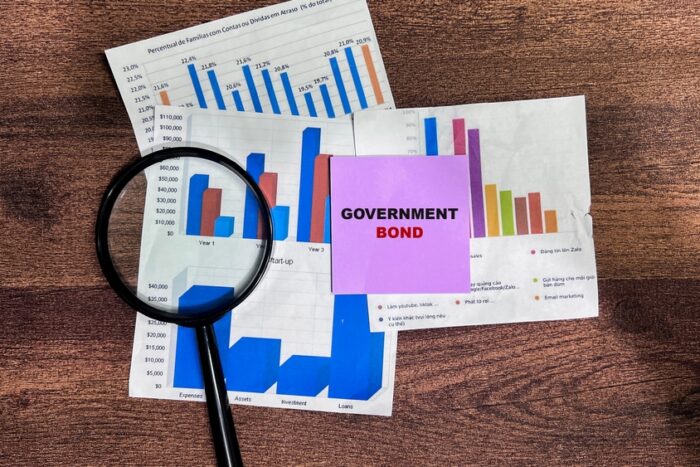
Yes, almost anyone can buy a government bond, making it one of the most accessible and secure types of investments available. Government bonds are debt securities issued by national, state, or local governments to raise money. When you buy a…

When you are released from jail, you may receive some money back, but it depends on how you paid for your release and what funds you had while in custody. You do not automatically receive payment for being jailed, but…

Federal bonds pay interest to investors who lend money to the U.S. government. The amount they pay depends on the type of bond, its maturity period, and current market interest rates. These bonds are considered some of the safest investments…