
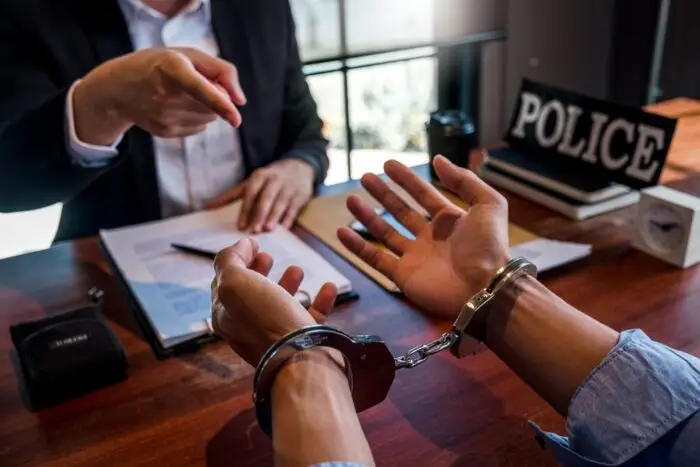
A probation officer has significant authority, but there are clear legal and ethical limits to what they can do. While they supervise and monitor individuals on probation, they must operate within constitutional boundaries and court-approved rules. If a probation officer…
In Kansas, it is possible to get probation for aggravated assault, but it depends heavily on the circumstances of the case, the severity of the offense, and the defendant’s prior criminal history. Aggravated assault is a serious felony charge under…
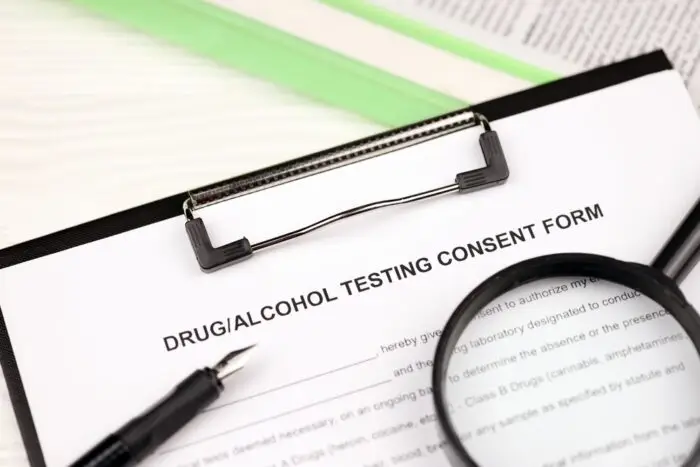
The most frequent probation and parole violations involve failing drug tests, missing appointments with probation or parole officers, and committing new offenses. These actions show noncompliance with supervision terms and are the primary reasons judges revoke or modify probation or…
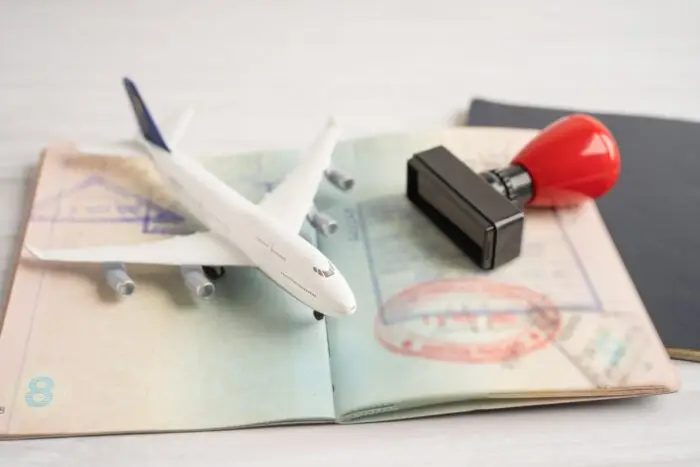
Traveling while on probation in Kansas is allowed only with permission from your probation officer or the court. The exact rules depend on the terms of your probation, the severity of your offense, and the county where you were sentenced.…
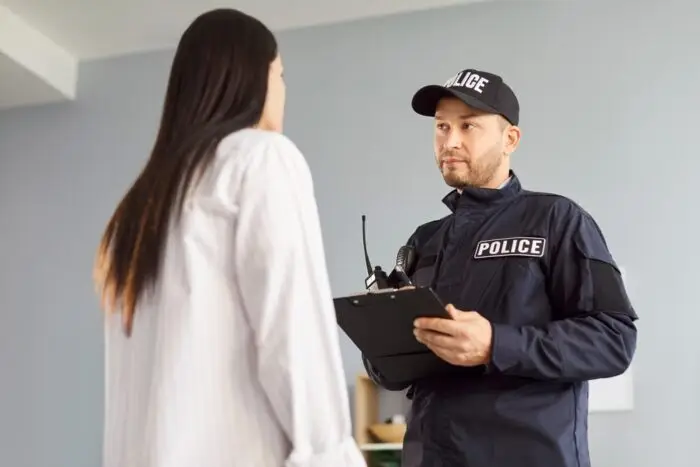
Yes, being on felony probation means you have been convicted of a felony, and that conviction legally classifies you as a felon. Probation is an alternative to serving time in prison, but it does not erase or change the conviction…

If your probation was revoked or violated, it may be possible to have it reinstated. Probation reinstatement gives you another chance to remain under supervision instead of serving jail time. The process involves requesting a hearing, showing progress, and convincing…
Even if you can get out on bond after a probation violation depends on the type of violation, the seriousness of the offense, and the judge’s decision. In Kansas and most other states, a bond for a probation violation is…

When you are accused of violating probation, it’s critical to take the allegation seriously. Probation violations fall into two broad categories: technical violations (such as missing a meeting with your probation officer or failing to complete court‑ordered programs) and new…
The top reason probation gets revoked is failing to comply with probation conditions. This includes actions such as missing meetings with a probation officer, failing drug or alcohol tests, not completing required programs, or committing a new crime. When these…