How Do Prisoners Get Early Release?
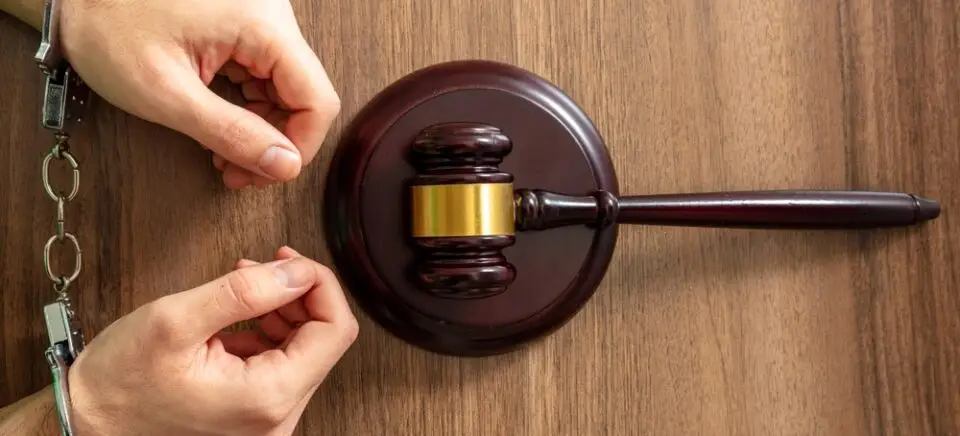
Prisoners can earn early release through good behavior, parole, sentence reductions, or special programs that reward rehabilitation and compliance with prison rules.
Understanding Early Release
Early release allows inmates to leave prison before serving their full sentence. Courts and correctional systems use it to encourage good behavior, reduce overcrowding, and support rehabilitation. The process depends on state laws, the type of crime, and individual conduct while incarcerated.
Common Ways Prisoners Get Early Release
Several programs and legal options give inmates the chance to shorten their sentence if they meet specific criteria.
- Good behavior credits – Many prisons reduce time for inmates who follow rules, avoid disciplinary violations, and participate in positive activities.
- Parole – Parole allows supervised release after serving part of a sentence. The parole board reviews conduct, rehabilitation progress, and risk to the community.
- Sentence reductions – Courts can reduce sentences for inmates who provide substantial assistance, complete programs, or meet compassionate release conditions.
- Reentry and rehabilitation programs – Participation in educational or vocational programs may count toward early release in some jurisdictions.
Good Behavior Credits
Good behavior or “good time” credits reward inmates who follow prison rules. The amount of time reduced varies by state. For example, an inmate might earn a few days off each month for staying disciplinary-free or completing approved activities like work assignments or classes.
Parole Eligibility
Parole is one of the most common forms of early release. Prisoners become eligible after serving a certain portion of their sentence. The parole board examines the inmate’s behavior, participation in rehabilitation, and potential for reoffending. If approved, the inmate is released under supervision and must comply with strict conditions.
- Attend regular meetings with a parole officer.
- Maintain employment or pursue education.
- Avoid contact with victims or criminal associates.
- Follow curfews or travel restrictions.
Compassionate And Medical Release
Inmates with serious illnesses, disabilities, or terminal conditions can request compassionate release. The request must show that the inmate poses no threat to public safety and that continued incarceration serves no practical purpose. Courts or correctional authorities decide on these applications individually.
Sentence Commutations And Clemency
Governors and the President have the power to grant clemency or commute sentences. A commutation reduces the length of a sentence, while a pardon forgives the crime. These are rare and reserved for exceptional cases involving rehabilitation, fairness, or humanitarian reasons.
Rehabilitation And Educational Programs
Many correctional facilities offer programs aimed at rehabilitation. Completing substance abuse treatment, anger management, or educational courses can demonstrate personal growth and reduce the sentence length in certain systems.
Early Release For Overcrowding
In some states, overcrowding may lead to the early release of low-risk prisoners. Correctional departments may prioritize nonviolent offenders or those nearing the end of their sentences to reduce population pressure.
How Inmates Can Improve Their Chances
Inmates can increase their likelihood of early release by maintaining good behavior, participating in programs, and showing clear evidence of reform. Support from family members and a solid post-release plan also help demonstrate readiness for reintegration into society.

How Does A Parole Bond Work?

What Is The Sentence For Burglary In Kansas?

How Serious Is A Level 2 Felony?