

A bond hearing is a court proceeding where a judge decides if a defendant can be released from jail before trial and under what conditions. It occurs shortly after arrest, giving both sides a chance to present arguments about release,…

Yes, police can often find out where you work if you have a warrant. When a warrant is issued in Kansas or anywhere in the U.S., law enforcement gains access to several databases and investigative tools that can reveal your…

The most lenient form of probation is unsupervised probation, sometimes called informal probation. This type of probation requires the least amount of contact with a probation officer and is typically reserved for minor offenses, first-time offenders, or cases where the…

Not everyone detained by immigration authorities qualifies for an immigration bond. People who pose a public safety risk, have certain criminal convictions, or fall under mandatory detention laws are generally not eligible. Immigration bonds are designed to allow detainees to…
Battery charges refer to criminal accusations that someone intentionally used force or physical contact against another person without their consent. In legal terms, battery involves harmful or offensive touching. It does not always require visible injury, but the act must…

When a case goes federal, it means the alleged crime violates federal law and will be prosecuted in a United States District Court rather than a state court. Federal cases are generally more serious, involve larger investigations, and carry stricter…
Yes, federal prosecutors do sometimes drop charges, but it is not very common. Once the federal government files charges, it usually means the case has already been carefully investigated and reviewed. Federal prosecutors tend to move forward only when they…
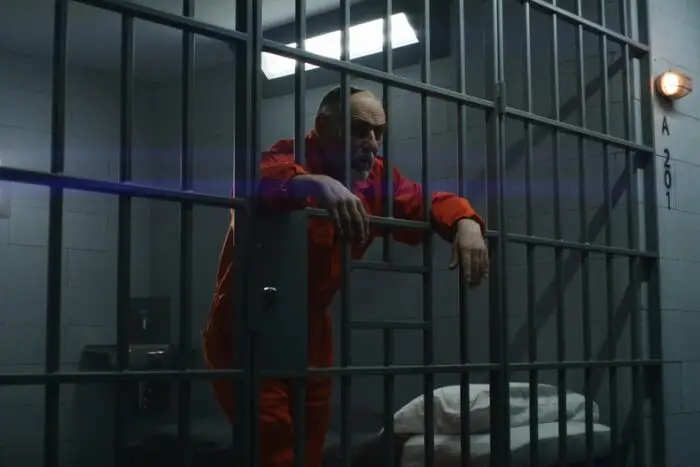
A Level 5 felony is a mid-level felony offense used in states like Kansas and Indiana to classify crimes by severity. It sits in the middle of the felony scale, more serious than Level 6 felonies but less severe than…
A Class 1 felon is someone who has been convicted of a Class 1 felony offense. In states that use a numbered felony classification system, Class 1 represents the most serious type of felony. These crimes are usually violent, involve…

No, a bond is not a monthly payment. A bond is typically a one-time payment made to the court or a bail bondsman to secure a person’s release from jail before trial. Once the bond is paid, the defendant is…