

Yes, federal courts can grant a bond, but it works differently from state court bail systems. When someone is charged with a federal crime, they may be eligible for release on bond while waiting for trial. This is determined through…

Sex offenders in Kansas face strict legal restrictions on where they can go, what they can do, and how they must live after conviction or release. These rules are meant to protect the public, especially children, and are enforced by…

When a person is denied bail or receives a bail amount that seems too high, they have the right to appeal. Many people wonder how many times they can appeal bail. The answer depends on the specific court system and…

The difference between assault and battery lies in the type of harm or action involved. In Kansas and most U.S. states, assault refers to the threat or attempt to cause physical harm, while battery involves actual physical contact or injury.…

Yes, police can come to your house for a misdemeanor warrant, but whether they actually do depends on the circumstances of the case and the agency’s priorities. A misdemeanor warrant is still a legal order for your arrest, but unlike…

No, a bail bondsman cannot help with a cash-only bond. A cash-only bond means the court requires the full bail amount to be paid directly in cash to secure release; no surety bonds, property bonds, or payment through a bondsman…
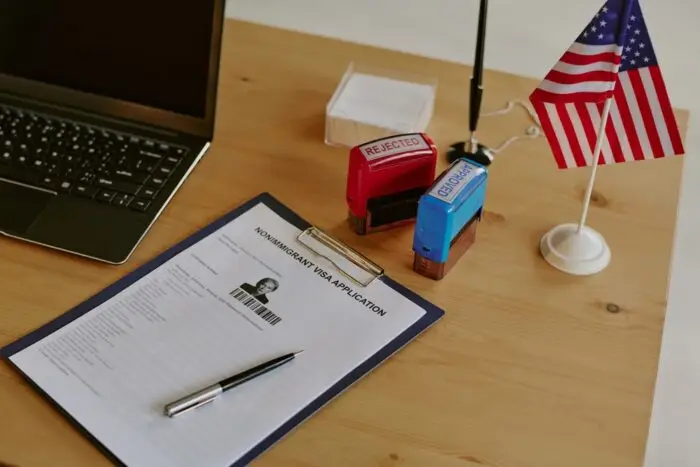
Getting someone out of immigration detention depends on their case, criminal record, and immigration status. Immigration and Customs Enforcement (ICE) detains individuals for entering or staying in the U.S. without legal authorization or for immigration-related violations. In many cases, release…

A $2,000 bond means the court has set bail at $2,000 for a defendant who has been arrested. This is the amount needed to be released from jail while waiting for the case to move through the court system. The…

Several factors can disqualify someone from receiving a personal recognizance (PR) bond. A PR bond allows release from jail without paying money up front, based on the defendant’s promise to appear in court. Judges use these bonds for low-risk defendants,…

Homicide is the act of one human being causing the death of another. It does not automatically mean murder; homicide can be criminal, excusable, or justifiable depending on the circumstances. In Kansas and under U.S. law, a death is considered…