

A $25,000 surety bond usually costs between $250 and $2,500, depending on your credit score, financial history, and the type of bond. Most applicants with good credit pay around 1% to 5% of the total bond amount, while those with…
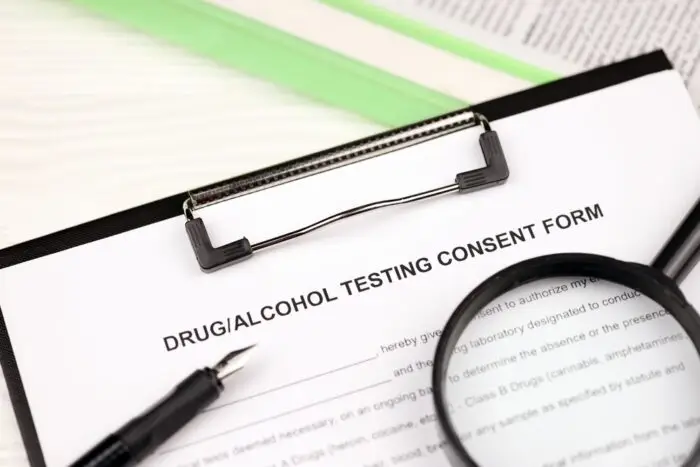
The most frequent probation and parole violations involve failing drug tests, missing appointments with probation or parole officers, and committing new offenses. These actions show noncompliance with supervision terms and are the primary reasons judges revoke or modify probation or…

Traveling while on probation in Kansas is allowed only with permission from your probation officer or the court. The exact rules depend on the terms of your probation, the severity of your offense, and the county where you were sentenced.…

Interest Rate on an Immigration Bond When a person is detained by immigration authorities and a cash bond is posted for their release, that deposit is held by the U.S. Department of the Treasury. The government does not simply keep…

The amount you have to pay for a $25,000 bond depends on if you post the bond yourself or use a bail bondsman. If you pay the bond directly to the court, you must pay the full $25,000 in cash…
Obtaining a $10,000 surety bond in Kansas means contracting with a surety company or bail bonds agent who guarantees the full amount,$10,000, to the court or obligee on your behalf. You will not pay the full $10,000 yourself; instead, you…

When speaking to the judge at a DUI sentencing, your goal is to show genuine remorse, responsibility, and commitment to change. Judges want to see that you understand the seriousness of your actions and have taken steps to prevent it…

If you think someone has been detained by immigration authorities, there are ways to confirm their status and location. Immigration and Customs Enforcement (ICE) maintains a public detainee locator system and can be contacted directly for information. The process can…

Getting your driver’s license back after a DUI in Kansas involves completing several legal and administrative steps. The process includes serving your suspension period, filing an SR-22 form to prove financial responsibility, paying reinstatement fees, and often installing an ignition…

Someone is considered “not bondable” when they do not meet the criteria required to qualify for a bond. This term can apply in both legal and employment contexts. In legal terms, it means the person may not be eligible for…